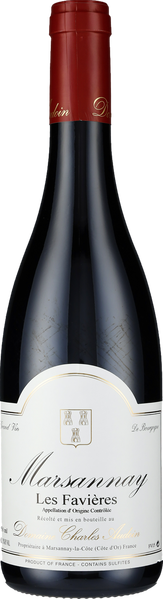
There aren’t many grape varietals that have reached Pinot Noir’s level of mystique. It is a sensitive, temperamental grape, best summed up in Paul Giamatti’s infamous monologue from the movie Sideways: “Pinot needs constant care and attention, you know? And in fact, it can only grow in these really specific, little, tucked away corners of the world.”
Exceptional Pinot Noir comes from a few specific locations around the world - Burgundy, in the heart of France, is without a doubt, the best known, but there are a few, special locations around the New World that have proven their Pinot-growing potential. In this article, we delve into the differences between classic, homegrown Pinot Noir, and the vibrant New World iterations that have popped up in these tucked-away corners. Of course, we will be recommending you a few wines along the way.
What are the differences between Old World and New World Pinot Noir?
Pinot Noir has a reputation as an artisanal grape - it’s for those who are dedicated to the vineyards and aren’t afraid to get their hands dirty. Climate and the winemaker’s own style leave a noticeable stamp on this delicate wine. It originates from the French region of Burgundy, and thus, the names “Pinot Noir” and “Burgundy” have become almost interchangeable.
It is grown in other parts of the “Old World”. In Germany, Pinot Noir is known as Spätburgunder - it is also grown in Alsace, the Loire Valley, and warmer regions from southern Europe, such as Tuscany in Italy, or Catalonia in Spain, where it is sometimes incorporated into sparkling Cava wines.
As a general rule, Old World Pinot Noir is known for being subtle, down-to-earth, and highly acidic. As with most other varietals, its Old World counterparts are better known for their subtlety, whereas the New World versions are better known for their ripe, fruit-forward character.
However, these rules no longer stand true. Pinot Noir from Andean vineyards in Argentina, for example, are even more acidic than their Old World counterparts. In fact, it might be fairer to characterise New World Pinot Noir by its experimental nature - New World winemakers tend to utilise more extreme terroirs, experimental blends, and unusual techniques, whereas in the Old World, winemakers tend to stick to tradition.
Are Old and New World Pinot Noirs different in quality? We’ve all heard of the Judgement of Paris - the watershed moment for American wine, where Californian Cabernet Sauvignon was blind-tasted against Bordeaux wine, and to the surprise of many wine elitists, got rated higher.
Well, in the documentary “Somm 3”, Pinot Noir was given its own version of the judgement. At a blind tasting event, attended by seven of the best wine tasters in New York City, New World wines once again proved their worth. The Californian Bloom’s Field Pinot Noir tied for first place, alongside a traditional Volnay from Burgundy.
If you want a taste of some truly premium New World Pinot, the very same Bloom’s Field is available on our website.