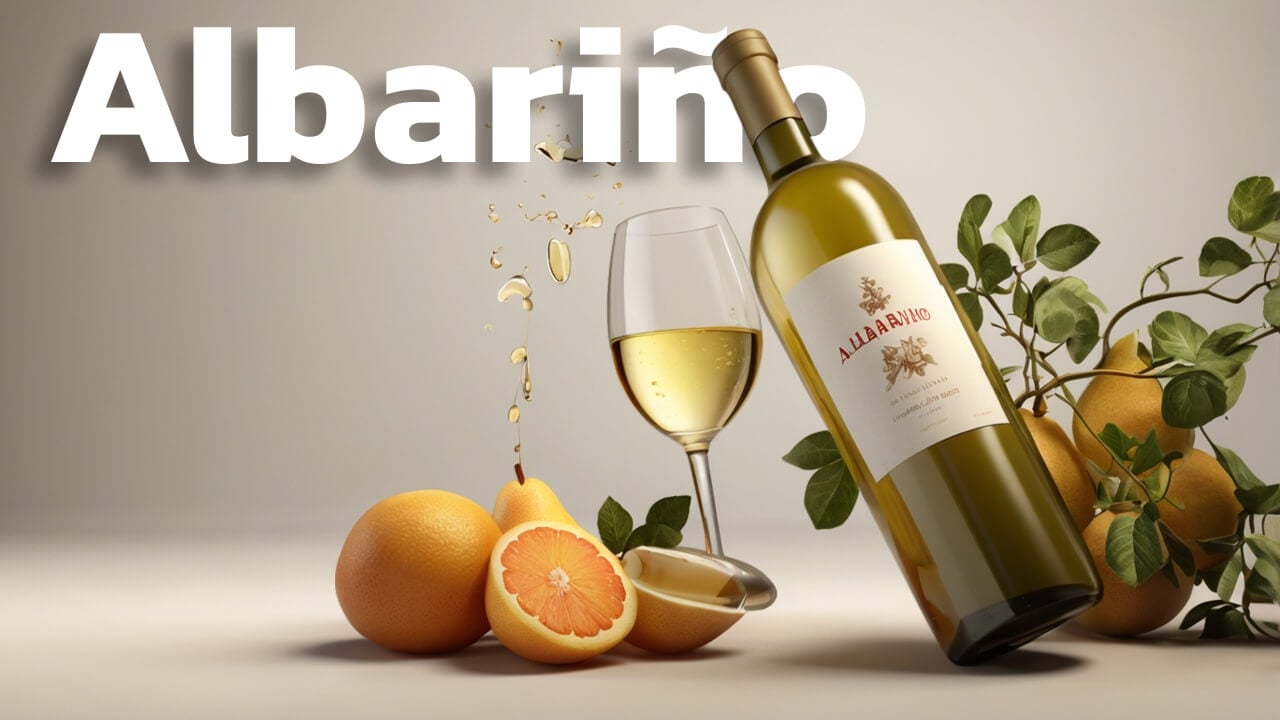
If there’s any wine that tastes like sitting by the ocean on a perfect summer’s day, it would have to be Albariño. Known for its heady aromatic hints of peaches, apricots and honeysuckle, this crisp white wine is predominantly grown in Spain and Portugal where locals enjoy it alongside fresh local seafood.
In recent years Albariño has also been planted in parts of Australia, New Zealand, Uruguay, and California which offer similar ocean-influenced climates. In this article we’ll dive deep into what to expect from this enchanting grape and uncover the best Albariño producers to look out for from the Iberian Peninsula and beyond.
Typical Characteristics of Albariño
Described as a “perfumed, elegant aristocrat” by esteemed Master of Wine Jancis Robinson, Albariño is traditionally a light dry white wine with plenty of freshness. Most Albariño wines tend to have the following characteristics:
-
High acidity: A tell-tale sign of an Albariño wine is mouthwatering acidity. Cooler vintages and more coastal sites tend to produce wines with even brighter acidity.
-
Light to medium body: Albariño tends to be a lighter white wine which makes it especially refreshing on hot summer days.
-
Moderate alcohol: Alcohol levels typically range between 11.5% and 13.5% ABV depending on the climate. Cooler sites tend to produce lower alcohol wines due to there being less sugar in the grapes, while Albariño from warmer parts of California can exceed 13.5% ABV.
-
Aromatic character: The flavor profile of a typical Albariño includes plenty of zingy citrus, including lemon, lime or grapefruit, ripe peaches and apricots, and hints of honeysuckle. Coastal wines can have a touch of salinity which is why people often say Albariño reminds them of the sea.
-
Unoaked or lightly oaked: Most Albariño wines are designed to be drunk young and fresh. In recent years pioneering winemakers have been experimenting with oaked Albariño and lees stirring to produce a richer, heavier style of wine with notes of toast, spice, and cream.
What is Albarino Similar to?
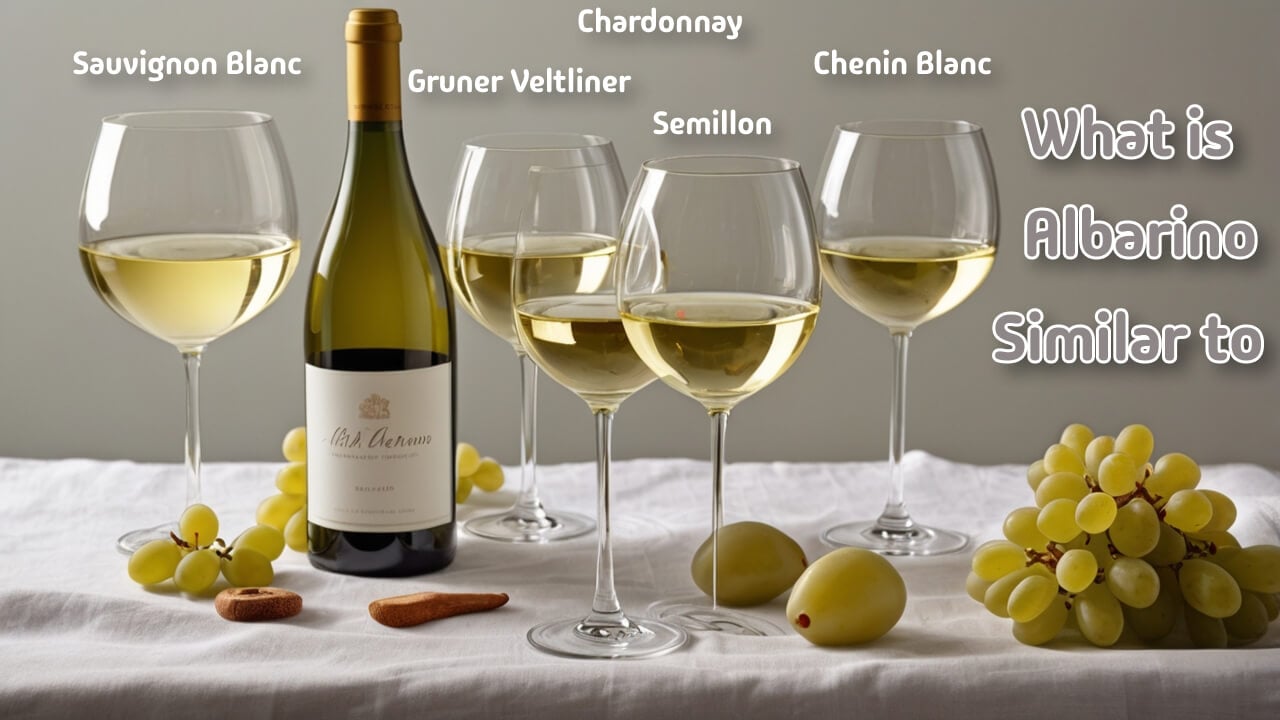
Albariño and Sauvignon Blanc
If you like Sauvignon Blanc, you should try Albariño. Sauvignon Blanc is often crisp and fresh with lots of juicy acidity and a highly aromatic nose. Sauvignon Blanc from New Zealand often has notes of gooseberries and tropical fruit, while those from Sancerre have more citrus and mineral character. Albariño is a great choice if you already like Sauvignon Blanc since it’s got similar amounts of freshness and enticing aromatics that keep you coming back for more.
Albariño and Gruner Veltliner
Albariño is also similar to the Austrian grape Gruner Veltliner. Both have a pale colour, are light or medium-bodied and offer plenty of mouthwatering acidity. The aromatics are also similar, although Albariño tends to have more peach or apricot notes while one typical feature of Gruner Veltliner is white pepper.
Albariño and Oaked Chardonnay, Semillon, and Chenin Blanc
Chardonnay, Semillon and Chenin Blanc wines that have been aged in oak tend to be much richer and more intense than the traditional young and fresh Albariños. If you prefer this style of wine, look for Albariño wines that have been aged in oak for at least 4-6 months.
Where is Albariño Grown
Spain and Portugal
The traditional homelands of Albariño are found in Galicia in north-western Spain over the border in northern Portugal where it’s known as Alvarinho. Researchers believe that the grape has been cultivated here for thousands of years ever since the Romans arrived and domesticated the wild grape varieties they found here. Important sub-regions in Galicia include Rías Baixas, Monterrei, Ribeira Sacra, Valdeorras, and Ribeiro.
This cool climate grape is perfectly suited to the storm-swept Atlantic coast where vineyards are often planted on steep terraces overlooking the sea. Fortunately Albariño has an especially thick skin that protects it from mildew and rot which are common issues in such humid climates. These challenging conditions are also balanced by over 300 hours of sunshine during the critical summer months, enabling grapes to ripen fully and develop plenty of enchanting aromatics and freshness.
In Portugal Alvarinho is a key component of Vinho Verde. This light white wine that’s usually a blend of indigenous grape varieties and is traditionally made in a slightly effervescent style. These tend to be lighter and more restrained than pure Alvarinho wines, offering notes of limes, green apples, and floral notes.
California, Uruguay & Beyond
Over the last few decades experimental winemakers in the Southern Hemisphere and the USA have started planting Albariño in cool coastal regions. Standout examples include the Sonoma Coast and Monterey in California where the warm climate is moderated by Pacific Ocean breezes and the Willamette Valley in Oregon which is famed for its cool climate Pinot Noir.
Exciting developments are also afoot further south in Uruguay which has made Albariño its signature white grape. Conditions here are ideal for the grape thanks to the warm summers, gentle rolling hills, and considerable influence of the Atlantic Ocean. Other up-and-coming regions to look out for include remote Tasmania and coastal parts of Victoria in Australia and the Casablanca Valley in Chile.
Top Albariño Producers
Rodrigo Mendez
Considered one of the top Galician winemakers, fifth generation enologist Rodrigo Mendez founded his winery in Meaño in 2011 as a new project independent of his other winery, Forja de Salnes. Rodrigo is blessed with both outstanding winemaking talent and access to his family’s ancient vineyards, some of which date back over a hundred years. He prefers to take a hands-off approach in the winery, relinquishing control over the winemaking process and letting the terroir tell its own story. Unlike many other Albariños, these are wines that are designed to age well thanks to their intensity and higher acidity.
-
Rodrigo Mendez Salvora is crafted from Albariño grapes from a single ungrafted vineyard in the municipality of Meano which was planted in 1905. Fermentation takes place with indigenous yeasts in large old 600-liter jars where the wine then ages for 12 months. This is exactly how Albarino was traditionally produced in the area before the 80s and the introduction of stainless steel in white vinification. It’s no surprise that the wine consistently gets scores in the mid-90s from top wine critics.